
CCTV & Intruder Alarm Installation in North London: A Practical 2026 Guide
Choosing a security system is not simply a question of buying more cameras or more sensors. The useful question is what you need to detect, deter and record — and how the system should fit the way your home or business actually operates.
Jump to a section
If you are researching CCTV installation in North London or a new intruder alarm installation, you will quickly find systems ranging from simple app-connected devices to multi-camera, multi-zone security installations. The specification matters, but the design matters first.
Police guidance treats CCTV and alarms as parts of a broader home-security approach rather than substitutes for good physical security. HiTechno takes the same practical view: first understand the property, entry routes, lighting, blind spots and how the occupants use the space; then choose the equipment that fits those requirements.
What is the best setup: CCTV, an intruder alarm, or both?
The short answer
CCTV and intruder alarms do different jobs. CCTV helps you see, record and review activity. An intruder alarm detects defined events — such as a door opening or movement in a protected zone — and can trigger a siren, app alert or monitoring response depending on the system.
For many homes and small businesses, the strongest practical setup is a layered one: secure doors and windows first, then an alarm for detection and CCTV for visibility and verification.
Choose CCTV when visibility is the priority
CCTV is particularly useful when you want to see entrances, driveways, gardens, loading areas, shop floors or external approaches, and when recorded footage may help you understand or evidence what happened.
Choose an alarm when immediate detection is the priority
Alarms are designed around protected zones, doors, windows and internal movement. They are useful when you need a system to react when defined security conditions are triggered, even when nobody is actively watching a camera feed.
CCTV vs intruder alarm: what each system actually does
It is easy to compare CCTV cameras and alarms as if one is the “better” security product. In reality, they answer different questions. A camera asks: what can I see and record here? An alarm asks: what event should trigger a security response?
| Security need | CCTV | Intruder alarm | Combined approach |
|---|---|---|---|
| Visible deterrence | Visible cameras can make surveillance obvious. | External sounders and alarm signage can make protection obvious. | Shows that the property has more than one security layer. |
| Detecting entry | Analytics can identify certain activity, depending on the system. | Door contacts, PIRs and other detectors are designed for intrusion detection. | Alarm detects; cameras can help visually check what happened. |
| Evidence after an incident | Recorded footage may provide useful visual evidence if placement and image quality are suitable. | Event logs can show alarm activations but usually do not provide visual evidence. | Event timing and footage can be reviewed together. |
| Remote access | Many systems offer live view and playback through apps or web interfaces. | Many modern alarms offer remote arm/disarm, alerts and status information. | Can reduce the need to switch between unrelated security workflows. |
| Best suited to | Entrances, exteriors, communal approaches, shops, offices and areas where visibility matters. | Doors, windows, rooms, outbuildings and defined internal security zones. | Properties where both detection and visual verification are useful. |
Police.uk advises positioning cameras so they can obtain useful facial images and also recommends burglar alarms as part of home security. That is a useful design principle: a camera is valuable because of the image it produces, not simply because a camera is present.
Start with a property survey, not a shopping list
A professional security design should begin with the property rather than a fixed “four-camera package”. Two North London homes with the same number of bedrooms can have completely different risk points: a terraced house with a narrow rear alley, a corner property with side access, a flat with a communal entrance, or a detached house with a driveway and outbuilding.
A useful survey normally considers:
- Primary access: front door, side gates, rear doors, service entrances and shared access.
- Blind spots: areas hidden by walls, parked vehicles, extensions, shrubs or neighbouring structures.
- Lighting: bright backlighting, dark approaches, street lighting and changing conditions after sunset.
- Daily use: pets, children, staff, deliveries, cleaners, tenants or customers who affect how alarm zones should operate.
- Network and power: sensible cable routes, router location, recorder location, Wi-Fi coverage and backup requirements.
- Privacy: whether cameras may capture pavements, neighbouring property or communal areas.
Where should CCTV cameras be positioned?
Good camera placement is about obtaining useful images at the right locations. A wide view of an entire garden may look impressive, but it may be less valuable than a properly positioned camera that gives a clear view of someone approaching a door or gate.
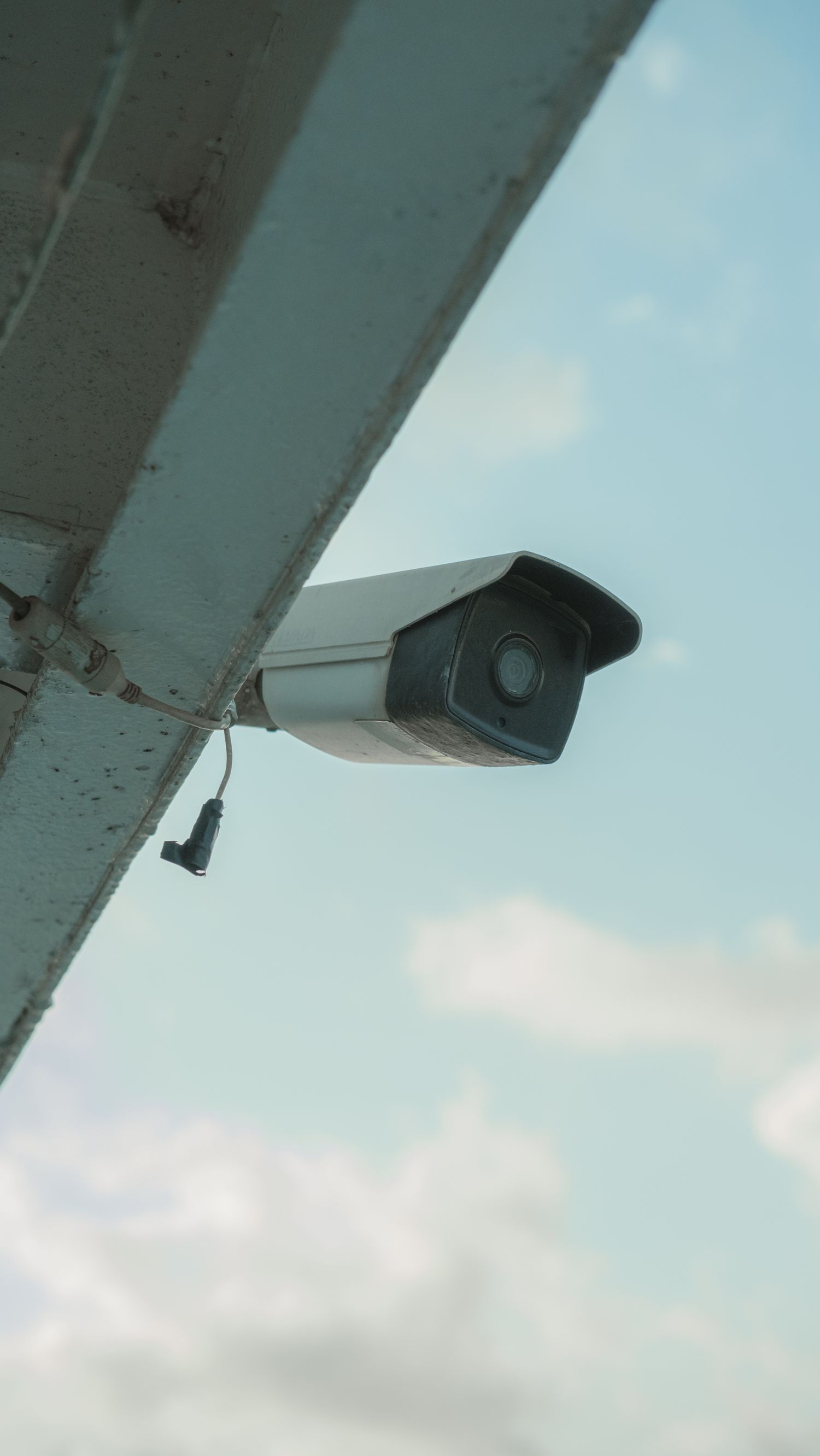
Common residential camera positions
Front entrance
Aim for a useful view of people approaching or using the entrance, rather than placing the camera so high or wide that faces become too small. Consider strong daylight behind the subject and night-time lighting.
Rear and side access
Side gates, alleys and rear doors can be important because they may be less visible from the street. A survey should consider whether one camera can cover the route effectively or whether separate views are more useful.
Driveway or vehicle area
Decide whether the goal is general activity, a clear view of people, or vehicle detail. Those goals can require different angles and fields of view.
Garden and outbuildings
Sheds, garages and garden offices may need coverage, but avoid capturing more neighbouring space than is necessary. Privacy masking can be useful on capable systems.
Police guidance: Police.uk recommends positioning CCTV where it can obtain good-quality facial images. In other words, coverage should be judged by what can actually be recognised in the footage, not just by the size of the area shown.
What CCTV system should you choose?
CCTV specifications can become technical very quickly. Resolution matters, but so do lens choice, sensor performance, night conditions, recording method, network security and the ease of exporting footage when it is actually needed.
| Feature | What it affects | What to ask during a quote |
|---|---|---|
| IP / PoE cameras | Video and power can run over network cabling, simplifying many fixed installations. | Where will cables run and where will the network recorder be located? |
| Resolution | Higher resolution can provide more image detail, but storage and bandwidth requirements also rise. | What detail do I actually need at each camera position? |
| Low-light / night performance | Determines how useful footage remains after dark and in poorly lit approaches. | Can you show how the proposed camera performs in similar night conditions? |
| WDR / difficult lighting | Helps with scenes containing bright and dark areas, such as a doorway facing daylight. | Which locations on my property have strong backlight or changing light? |
| NVR / local recording | Controls storage capacity, playback and how long footage can be retained. | How many days of recording are we designing for and at what quality? |
| Remote viewing | Allows authorised users to view live or recorded footage remotely. | How are accounts secured and can different users have different permissions? |
| Analytics | May distinguish certain motion or event types and reduce irrelevant notifications. | Which analytics are useful for my site rather than simply available on the camera? |
HiTechno's existing North London CCTV service covers IP and HD-over-coax systems, NVR/DVR recording, remote access and practical camera placement based on property layout.
Wired, wireless or hybrid intruder alarm?
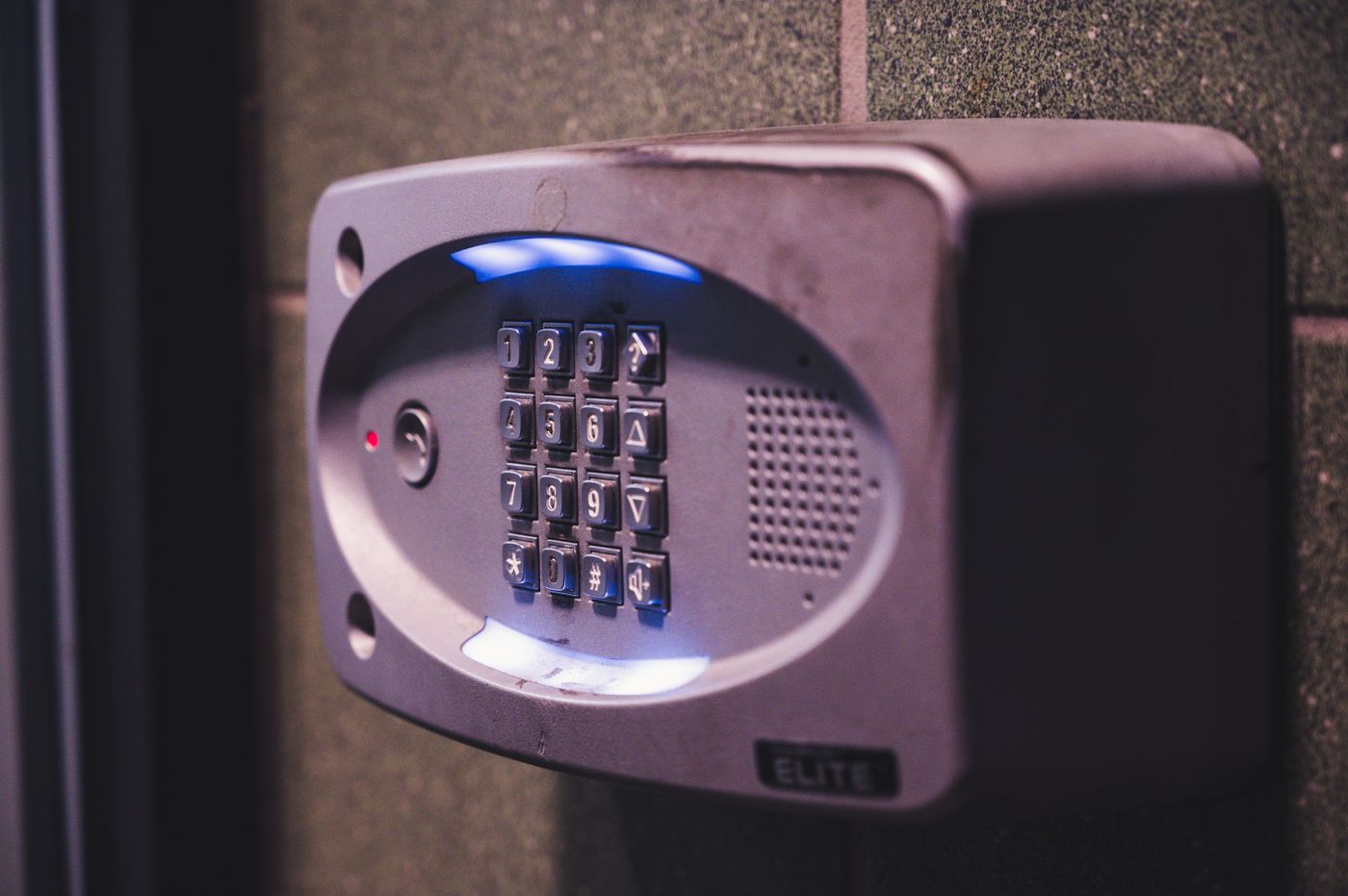
Choose the architecture around the building
A modern wireless alarm can reduce cable disruption and make detector placement practical in finished homes. Wired systems can still make sense where cabling is already available or where a property is being renovated. Hybrid systems combine both approaches.
HiTechno's intruder alarm service page describes wireless and hybrid options, app control, door/window protection and zoning for homes and businesses.
| Alarm type | Advantages | Considerations | Typical fit |
|---|---|---|---|
| Wireless | Less cabling, flexible detector placement and often less disruption in finished properties. | Devices rely on batteries and radio communication, so maintenance and signal design matter. | Existing homes, flats, smaller offices and properties where new cabling is difficult. |
| Wired | Fixed cabling and no detector battery dependence for many device types. | Installing new cable can require more time and planning. | Renovations, new work, larger premises or buildings with suitable existing cabling. |
| Hybrid | Allows wired and wireless devices in the same overall design. | Needs thoughtful configuration so the system remains easy to manage. | Extensions, phased upgrades and properties where some useful cabling already exists. |
Audible-only or monitored?
Police and ProtectUK guidance distinguish between audible-only alarms and monitored systems. An audible alarm is intended to attract attention locally, while a monitored system can send a signal to an alarm-receiving service, depending on the arrangement. Monitoring, police-response eligibility and certification requirements should be discussed specifically if those features matter to you; they should never be assumed from the words “smart alarm”.
Why combine CCTV with an intruder alarm?
Combining systems is not about creating a complicated “smart home” for its own sake. The practical benefit is that detection and visibility can support each other.
Detection + verification
An alarm event tells you that a defined condition was triggered. A relevant camera view may help you understand whether the cause appears to be a person, an expected visitor, an animal or something else.
Better event context
Time-stamped alarm events and camera recordings can make it easier to understand the sequence of an incident than relying on only one type of information.
One survey, coordinated coverage
When CCTV and alarms are planned together, the installer can consider entry routes, blind spots and protected internal zones as one security design.
Less unnecessary overlap
A coordinated design can avoid buying devices simply because they are available. Each camera or detector should have a clear purpose.
How much does CCTV or burglar alarm installation cost in London?
There is no reliable single price for a professional installation because the scope can vary dramatically. A two-camera terraced-house system and a multi-camera commercial installation are not comparable jobs. The same applies to alarms: the number of protected openings, detectors, zones, signalling and property size all affect the quote.
| Independent London market reference | Average shown by Checkatrade | Range shown | Important note |
|---|---|---|---|
| CCTV / security camera installation | £733 | £520–£1,053 | Indicative London marketplace data, not a HiTechno quotation. |
| Burglar alarm installation | £636 | £490–£842 | Actual price depends on alarm type, sensors, property and installation scope. |
Use these figures only as a broad market reference. Checkatrade's London security page provides the figures above, but your actual quote should be based on the property and specification. A quote should make clear what equipment, labour, recording/storage, app setup, user training and any ongoing services are included.
What usually changes a CCTV quote?
- Number and type of cameras.
- Access height, cable routes and the time required for a neat installation.
- Recorder capacity and required retention period.
- Low-light performance, analytics, specialist lenses or more advanced camera functions.
- Commercial requirements, network integration or more complex access.
What usually changes an alarm quote?
- Number of doors, windows, rooms and protected zones.
- Wired, wireless or hybrid design.
- Pet-friendly detection, partitions, outbuildings or multiple user groups.
- App connectivity, signalling and any monitoring requirements.
Home CCTV laws and privacy: what North London property owners should know
Domestic CCTV is legal in the UK, but the position changes when your cameras capture people outside the boundary of your property. The Information Commissioner's Office (ICO) says that where CCTV captures a neighbour's property, a public area or a communal space, data-protection rules apply because the system is recording other people's personal information.
ICO practical checklist
Where a domestic camera captures beyond your boundary, the ICO says you should have a clear reason for using it, avoid capturing more than necessary, tell people CCTV is in operation, keep recordings secure, delete footage regularly, and be able to respond appropriately to requests from people recorded by the system.
Position cameras to minimise unnecessary capture
Start by asking whether the security goal can be achieved while keeping the view mainly within your own property. Sometimes a public pavement or communal route cannot be completely avoided. In those cases, careful camera angles and privacy-masking features can reduce unnecessary intrusion.
Be cautious with audio recording
Audio can be substantially more intrusive than video. The ICO has specifically warned that recording conversations is difficult to justify in many domestic CCTV situations. If a camera has a microphone, do not assume that continuous audio recording should simply be enabled by default.
Think about storage and access
A long retention period is not automatically better. Storage should be proportionate to the purpose of the system. Protect recorder and app accounts, control who has access, and make sure you know how to export a relevant clip without sharing unrelated footage.
This section is general information, not legal advice. The ICO notes that its home-CCTV guidance is under review following changes made by the Data (Use and Access) Act, so check the current ICO home CCTV guidance when planning or changing a system.
How security design changes by property type
| Property | Common design questions | Useful CCTV focus | Useful alarm focus |
|---|---|---|---|
| Terraced / semi-detached home | Front access, rear garden, side passage where present, lighting and neighbour privacy. | Front-door approach plus rear or side access where risk justifies it. | External doors, ground-floor access and practical part-setting at night. |
| Flat / apartment | Lease/landlord rules, communal areas, shared entrances and limited mounting positions. | Only where installation rights and privacy allow; internal views may sometimes be more appropriate. | Door protection and internal detection can often be more straightforward. |
| Detached house | Multiple approaches, driveway, side access, garden, garage and outbuildings. | Coordinated perimeter views rather than overlapping cameras with no clear purpose. | Zoning for house, garage, garden office or other separate areas. |
| Shop / retail | Entrances, tills, public areas, stock areas, opening/closing routine and staff access. | Useful identification views at entrances and sensible coverage of key areas. | Perimeter contacts, internal zones and user permissions suited to staff routines. |
| Office / small commercial premises | Multiple users, opening hours, shared spaces, server or stock areas and data-protection responsibilities. | Entrances, reception, external access and selected higher-risk areas. | Partitioning, user codes/tags and zones matched to occupancy. |
What happens during a professional CCTV or alarm installation?
A clear process makes it easier to compare installers and avoids discovering important decisions halfway through the job. HiTechno's service pages describe an assessment-led approach, followed by design, quotation, installation and user handover.
Discuss the security goal
Identify what you want to protect, what concerns led to the enquiry, how the property is used and who needs access to the system.
Survey the property
Review entrances, vulnerable approaches, lighting, blind spots, network/power availability and practical cable routes.
Design and quote
Specify cameras, recorder/storage, detectors, control equipment and optional features with a clear explanation of what each part is doing.
Install and configure
Fit devices, route cables neatly where required, configure recording/detection and set up authorised users and mobile access.
Test and hand over
Check each camera or alarm zone, demonstrate everyday operation and make sure the customer knows how to review events and manage the system.
Questions to ask a CCTV or alarm installer before you book
A useful quote should make the system understandable. You do not need to become a security engineer, but you should know why each important component is being recommended.
- What specific areas or entry routes is each camera or detector protecting?
- How will the cameras perform at night and in difficult lighting?
- Where will recordings be stored and approximately how much retention is the design targeting?
- Can I export footage easily if I need to provide a clip to police, an insurer or another legitimate recipient?
- How are remote-viewing accounts secured, and can separate users have different permissions?
- For alarms, what happens if a device battery is low, the internet is unavailable or the property loses power?
- What warranty, maintenance or support is included, and what is optional?
- If monitoring, police response or insurer requirements matter, what standards, approvals and ongoing arrangements apply?
CCTV and alarm installation across North London
HiTechno's current service pages focus on North London, including Camden, Brent, Barnet, Haringey, Harrow and Islington, with coverage across a wide range of nearby neighbourhoods.
For installation enquiries, see the dedicated CCTV & intruder alarm installation quote page or contact HiTechno.
Frequently asked questions about CCTV and alarm installation
Is CCTV better than a burglar alarm?
Neither is universally better because they perform different roles. CCTV provides visibility and recorded footage; an alarm is designed to detect defined intrusion events and trigger a response. For many properties, using both as part of layered security is more useful than treating them as alternatives.
How many CCTV cameras does a typical home need?
There is no correct fixed number. The useful number depends on entrances, side/rear access, property shape, outbuildings, lighting and what image you need from each location. A smaller number of well-positioned cameras can be more useful than many poorly positioned cameras.
Do I need internet for CCTV?
Many professionally installed systems can record locally to an NVR/DVR without relying on the internet for basic recording. Internet connectivity is commonly used for remote viewing, notifications and some cloud-connected features. Ask what happens to recording and alarm functions if your broadband connection is unavailable.
Should I choose wired or wireless CCTV?
“Wireless” can mean different things. A Wi-Fi camera may still need local power, while a wired IP/PoE camera can carry power and data over one network cable. For a permanent multi-camera installation, reliability, cable routes and maintenance should be considered rather than choosing purely on the word wireless.
Are wireless burglar alarms reliable?
Modern wireless alarms are widely used, particularly where installing new cables would cause unnecessary disruption. Reliability depends on equipment quality, correct radio design, battery maintenance and installation. Wired or hybrid systems may be more suitable in other buildings.
Can CCTV point at the pavement outside my house?
A domestic system can capture beyond the property boundary, but the ICO says data-protection rules then apply. You should have a clear reason, minimise unnecessary capture, use signage, protect recordings and handle people's data rights appropriately. Where possible, angle cameras and use privacy masking to reduce unnecessary coverage.
How long should CCTV recordings be kept?
There is no universal retention period that is right for every property. The ICO says footage should be deleted regularly and not kept longer than necessary for the purpose. Storage capacity, recording mode and the reason for using CCTV should guide the setting.
Can CCTV and an intruder alarm work together?
Yes, depending on the equipment and design. The most useful integration is usually practical rather than flashy: an alarm event can prompt you to check a relevant camera, and time-stamped footage can provide context around the event.
How long does CCTV installation take?
HiTechno's main website says many standard installations can be completed within a day, while larger or more complex systems may take longer. The actual time depends on camera count, cabling, access, recorder/network configuration and property type.
Do I need an installer if I can buy a DIY camera kit?
DIY products can be suitable for simple requirements. Professional installation becomes more valuable when camera positioning, cable routing, night performance, storage, secure networking, privacy masking, multi-user access or integration with an alarm needs to be designed properly.
Sources and further reading
Need CCTV or an intruder alarm installed in North London?
Tell HiTechno about your property and what you want to protect. We can review the layout and discuss a practical installation rather than starting with a generic equipment package.